

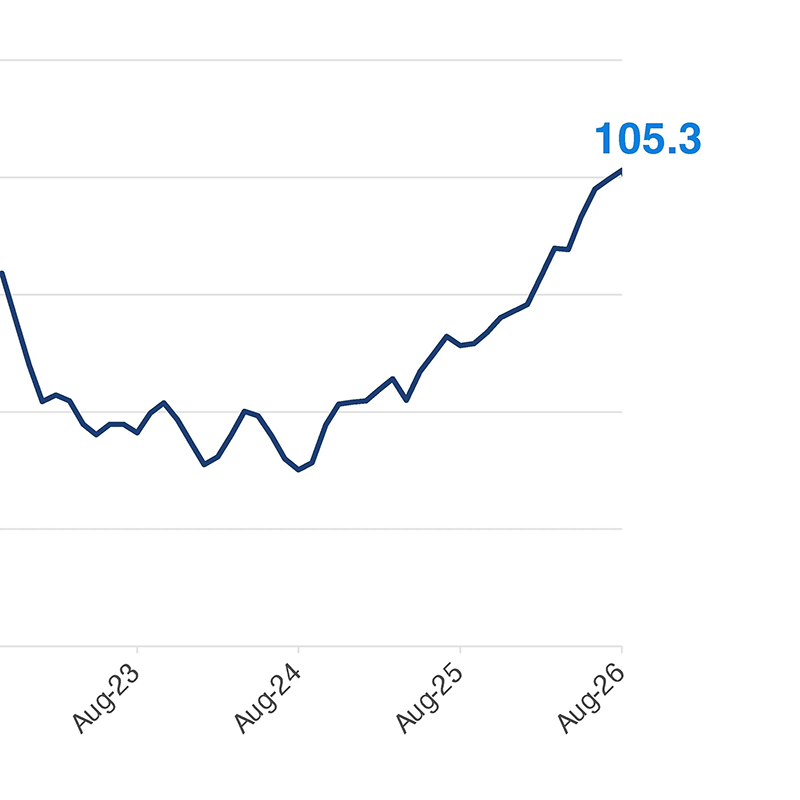
Looser loan structures — rather than lower interest rates or improved credit quality — raised Dealertrack’s Credit Availability Index in August. +
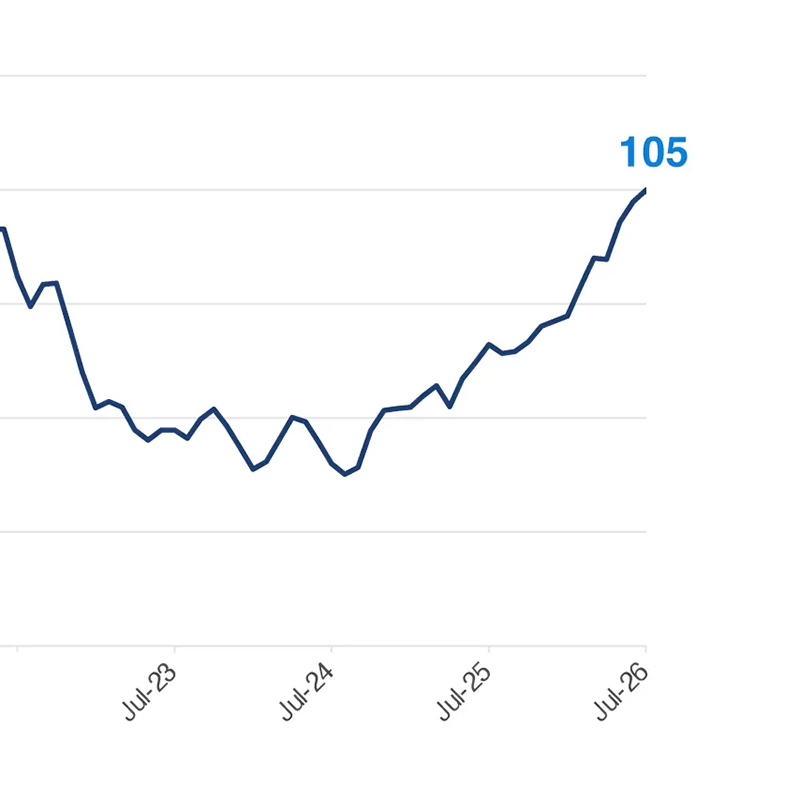
The Credit Availability Index climbed to 105 in July, its highest level since December 2015, but a key indicator declined for the fourth straight month. +
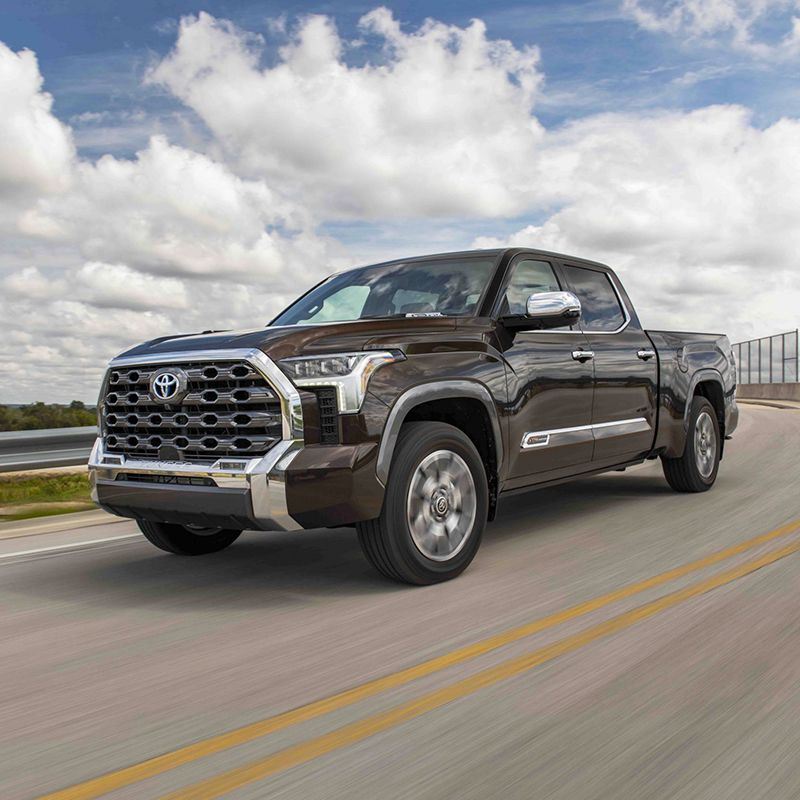
Edmunds reports the Toyota Tundra led all trade-ins in average negative equity in a Q2 list filled with models regarded as strong residual value performers. +

Edmunds analysts say affordability pressures are pushing U.S. new-car buyers to borrow more, put less down and pay more each month. +

Dealertrack’s Credit Availability Index inched up to 102.4 in April, but analysts say subprime borrowers’ share of the market fell “sharply” after a March surge. +

A new AutoPayPlus survey of auto dealers and F&I executives reveals deep concerns over ever-lengthening loan terms that can trap consumers in long purchase cycles. +

Industry veteran Robert Steenbergh believes that, as vehicle affordability continues to erode and financing terms push into uncharted territory, biweekly payment servicing is quietly evolving into a meaningful reinsurance premium. +

Dealertrack's Credit Availability Index climbed to 101.3 in February, a 6% year-over-year improvement, despite a lower overall approval rate and a widening yield spread. +

Edmunds analysts say the average negative equity balance on dealership trade-ins rose to $7,214 in the fourth quarter, reflecting pandemic-era originations and prolonging a four-year trend. +

Dealertrack reports loan approval rates continue to trend upward as of the end of December, capping a year in which the availability of dealer-arranged financing improved by 3.6%. +


